What Rare Earth Elements Are and Why They're the Next Big Opportunity
Gold and silver get all the attention. But a quieter group of materials is quietly powering the technology reshaping the modern economy electric vehicles, wind turbines, smartphones, medical imaging, defense systems. They're called rare earth elements, and most investors have never heard of them.
That's exactly why they're worth paying attention to now.
What Are Rare Earth Elements?
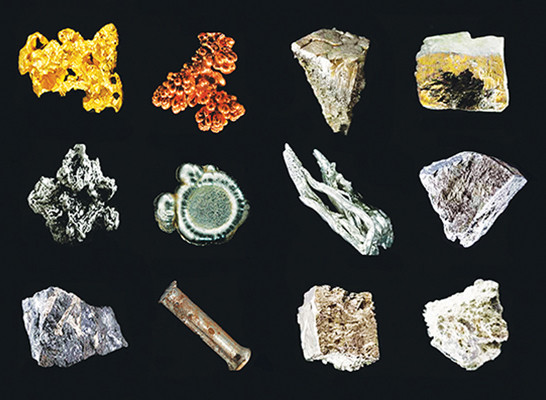
Rare earth elements (REEs) are a group of 17 metallic elements that share unusual magnetic, luminescent, and electrochemical properties. Despite the name, most aren't actually "rare" in the ground they're rare in the sense that they're difficult and costly to extract and refine in usable, concentrated form.
They don't headline in the news the way gold or Bitcoin do. But they're embedded in almost everything driving the next decade of technology.
The Elements Worth Watching
Neodymium (Nd) — The backbone of high-strength permanent magnets used in EV motors and wind turbines. As EV adoption accelerates, so does neodymium demand.
Praseodymium (Pr) — Often paired with neodymium in magnet alloys; used in high-performance magnets across industrial and consumer electronics.
Dysprosium (Dy) — Critical for magnets that need to perform at high temperatures — think EV motors under heavy load.
Terbium (Tb) — Used in displays and, alongside dysprosium, in high-temp magnet applications.
Lanthanum (La) — A key material in batteries and catalytic converters, with growing relevance in clean energy storage.
Cerium (Ce) — Widely used in polishing and UV filtering applications, including glass manufacturing.
Yttrium (Y) — Found in LEDs and superalloys used in aerospace and high-heat environments.
Europium (Eu) — Essential for display and lighting technology, prized for its light-emitting properties.
Scandium (Sc) — Used in aerospace alloys and increasingly in clean energy applications due to its strength-to-weight benefits.
Lutetium (Lu) — A niche but growing player in electronics and medical imaging technology.
Why Demand Is Accelerating
A few forces are converging at once:
The EV boom. Every electric motor needs rare earth magnets. As EV production scales globally, so does raw material demand.
Renewable energy buildout. Wind turbines rely heavily on neodymium-based magnets more turbines means more demand.
Defense and aerospace. Many rare earths are considered strategic materials for military and aerospace applications, which adds a geopolitical dimension to supply and pricing.
Supply concentration risk. A small number of countries control the majority of global rare earth processing, creating supply chain vulnerability and price sensitivity that pure commodity investors watch closely.
The Opportunity and the Risk
Rare earths aren't a mainstream investment category yet, which is part of the appeal — the space is less crowded than gold or crypto. But that also means less liquidity, less price transparency, and more reliance on understanding the specific supply/demand dynamics of each element.
This isn't a "buy and forget" category. It rewards investors who actually track the technology trends driving demand EV sales figures, renewable energy policy, defense spending, and supply chain shifts.
Where This Fits in a Portfolio
Rare earths sit in a different category than gold's "safe haven" role or crypto's "high growth" role. They're a bet on the physical materials required for the technology transition already underway. For investors willing to do the homework, they represent early exposure to demand that's only going to grow.
Cruise Dawn Capital tracks rare earth elements alongside metals, crypto, and IPOs because understanding where the next wave of demand is coming from is just as important as watching where prices are today.
This article is for informational purposes only and does not constitute financial advice. Always do your own research or consult a licensed financial advisor before making investment decisions.
Cruise Investment Real Assets. Real Value. A Brighter Tomorrow.
All comments
Comment not found